

This episode is a supplement to our Head of Remote series, helping organisations build more human, effective, and remote-first operations.
In this special bonus episode of the Head of Remote podcast, we take a closer look at how remote and hybrid workplaces can better support neurodivergent professionals and why doing so creates stronger, more inclusive systems for everyone.
Our guests are:
- Robin Bassie, founder of Galileo IT Services, a social enterprise providing IT training and job placements for neurodivergent talent
- Simone Luurs, founder of IMPROVE Autism Coaching and an expert in autism, coaching, and inclusive workforce development
Neurodivergence refers to the 1 in 5 people whose brains work differently from what is considered typical. This can include autism, ADHD, dyslexia, giftedness, or simply a unique way of learning and processing the world. These differences are not deficits. In the right environment, they are superpowers.
But the reality is stark: in the Netherlands, 50–60% of neurodivergent individuals are unemployed, and many are working far below their capabilities.
Key Insights and Highlights
“You don’t need to have all the answers or get it perfect. Just ask, ‘What do you need to do your best work?’ – and then really listen.” —Simone Luurs
-
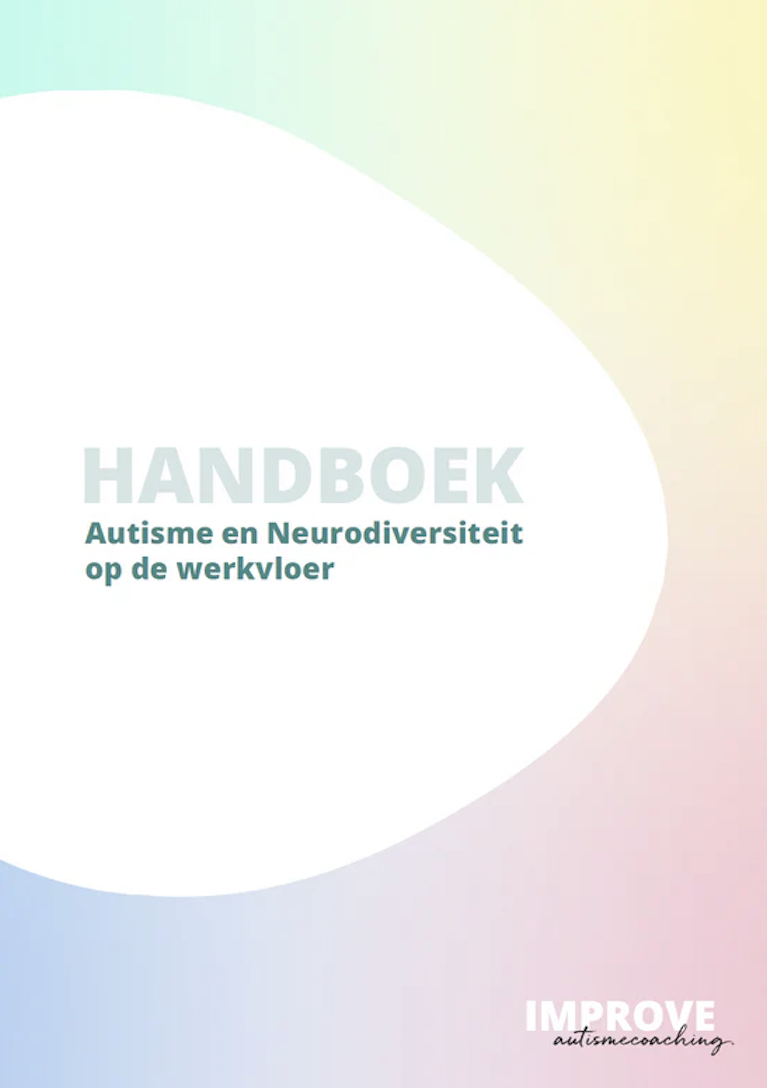
Also available in English.
Structure matters: Clear goals, written agendas, predictable routines, and consistent communication help reduce uncertainty and support all brains, not just those of individuals with neurodivergent conditions.
- Flexibility is essential: Breaks without justification, quiet focus time, and camera-optional meetings help neurodivergent team members manage energy and sensory input.
- Conversations make inclusion possible: Assumptions are dangerous. One small question, “What helps you do your best work?” can lead to profound change.
- Leadership must evolve: Move away from a 9–to-5 presence culture. Embrace diverse communication styles, rethink performance metrics, and lead with curiosity, not control.
- Loyalty follows safety: When neurodivergent professionals feel truly supported, they are intensely loyal and committed. Safe environments bring out their full potential.
A story worth remembering
Robin shares an example of a colleague who came to the office lunch every day but never spoke. At first, Robin assumed he did not want to be there. But after Simone checked in with him, he revealed it was the highlight of his day. Just sitting quietly, listening to others connect, made him feel included and energized. He did not want to talk. He just wanted to belong.
“When the system focuses on including more people, it gives more people the chance to grow.” — Simone Luurs
Practical actions for leaders
- Ask team members what they need to succeed; then act on it.
- Share meeting agendas in advance and follow up in writing.
- Build a culture where people do not have to earn flexibility; they start with it.
- Stop managing based on presence; focus on output.
- Start normalising neurodiversity. 20% of your workforce may be silently struggling, and their strengths are being overlooked.
👉 Download the Head of Remote Quick Start Guide: https://www.collaborationsuperpowers.com/head-of-remote-guide/
👉 Listen to the full podcast series: https://www.collaborationsuperpowers.com/head-of-remote-podcast/
.
